

Diving Deep: Edmonds College Triton Tech Sets Sights on World Championships in newfoundland
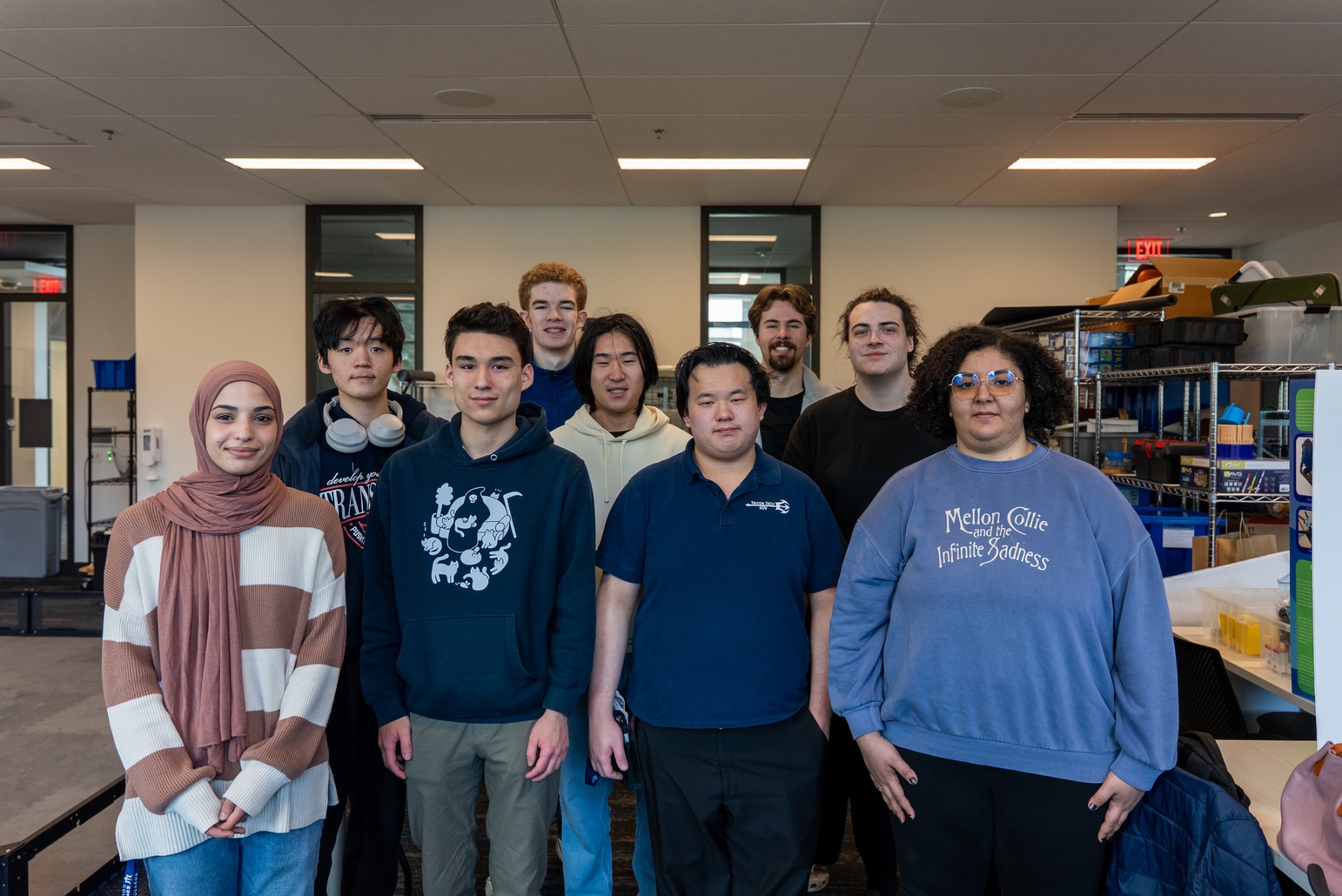
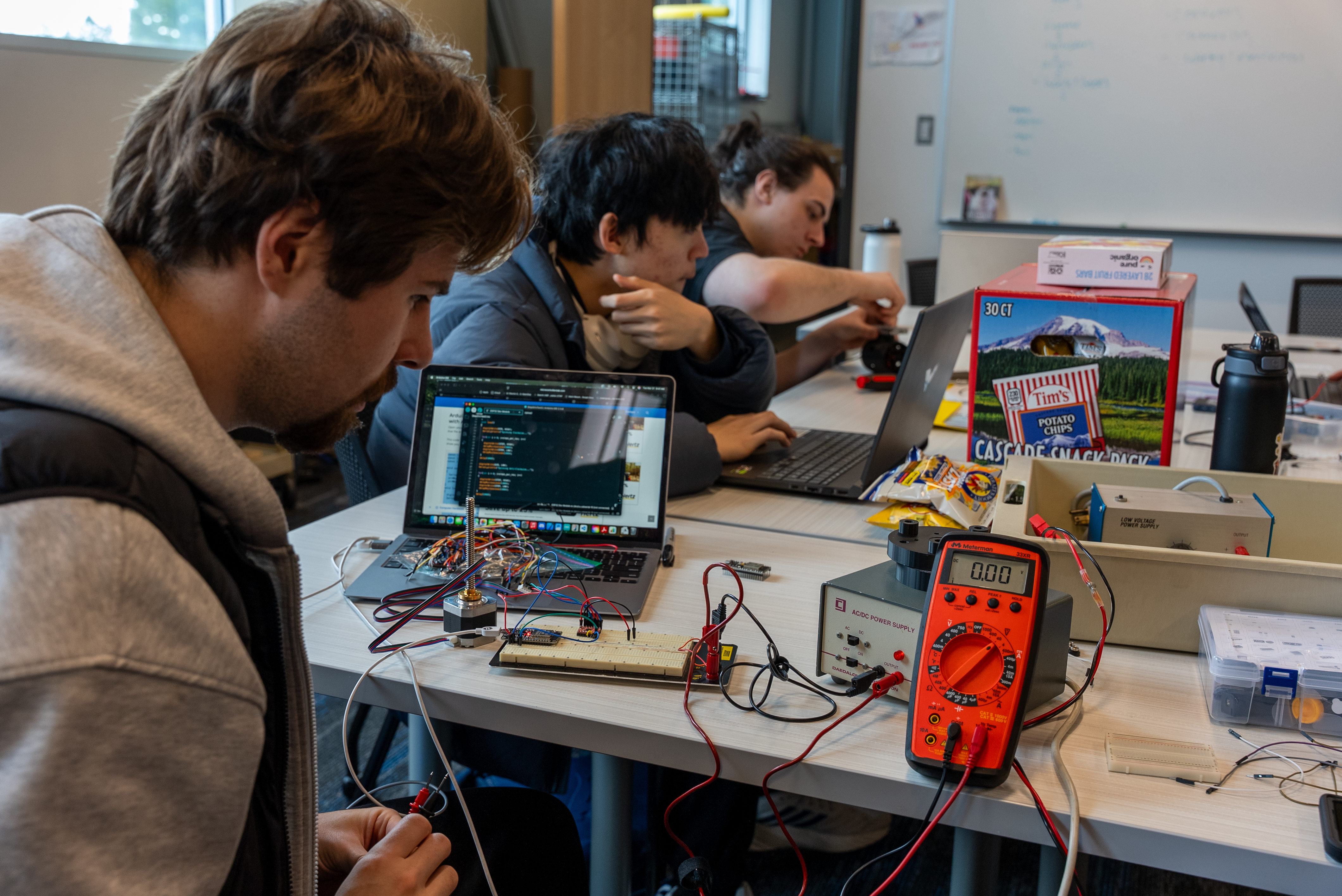
While most college students spent their recent spring break relaxing, the Triton Tech ROV team at Edmonds College was huddled in a lab, surrounded by circuit boards and underwater thrusters. This dedicated group of aspiring engineers is currently preparing for the 2026 MATE ROV (Marine Advanced Technology Education Remotely Operated Vehicle) World Championships, set to take place this June in St. John’s, Newfoundland and Labrador, Canada.
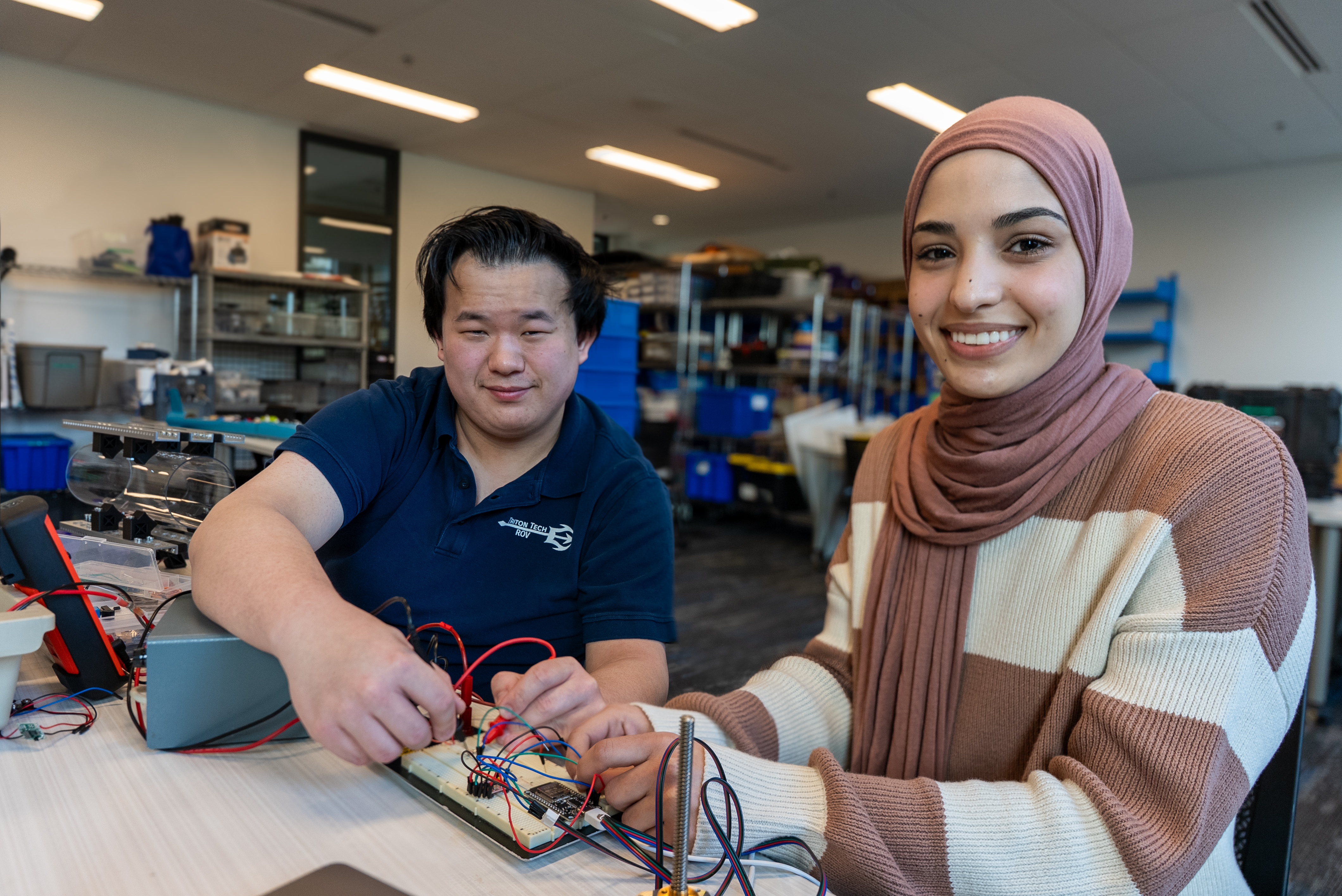
The ROV team consists of mechanical and electrical engineering students on campus. Sarah Abdullah, the team’s CEO and a mechanical engineering student, highlights the interdisciplinary nature of the club: "I have learned so much about both mechanical and electrical engineering, and even other important skills like leadership and team building. You’re not just limited to what your degree is."
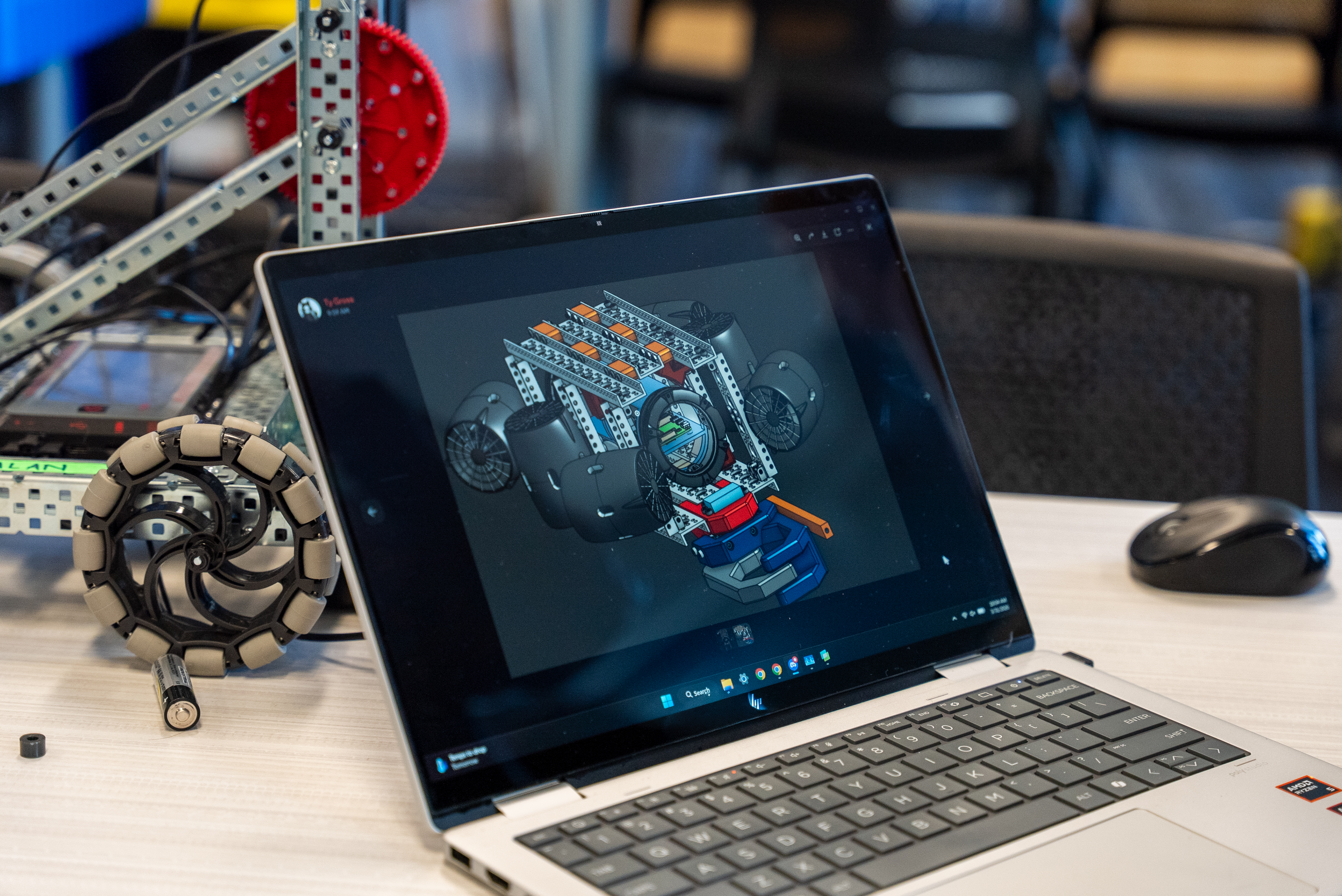
The MATE ROV Competition, sponsored by the Marine Technology Society (MTS), challenges student teams to act as simulated start-up companies. Beyond merely building a robot, students must design, manufacture, and market a ROV capable of performing complex underwater missions. This year’s tasks include simulated coral restoration and collecting plankton samples—challenges that mirror real-world environmental science and engineering.
For the first time, the Edmonds team is also building a vertical profiling float, an autonomous oceanography tool that records data like temperature and salinity at various depths. Abdullah is leading the newest edition of the competition and is enjoying the challenge's complexity.
"The float is autonomous, so it needs power on board,” she explains. “You just send the float to do its mission, and you expect it to do whatever it needs to do," noting that, unlike the tethered ROV, there is no camera to guide it.
Dedication Through New Obstacles
The road to Newfoundland has not been without hurdles. The team is currently grappling with backordered parts, specifically a frustratingly delayed tube necessary for the ROV’s main assembly. Fundraising also remains a significant challenge; the team has a goal of $25,000 to cover materials and travel for 10 students, but they have currently only raised enough to send a fraction of the group.
Despite these stressors, the students’ commitment is unwavering. Faculty advisor Rachel Brown notes that the team has been working 10 to 15 hours a week, including eight-hour shifts during their break. "If I didn't kick them out of the lab, they would stay in here all night," Brown said of their work ethic.
A History of Success
Edmonds College will compete in the MATE ROV Championships for the third time this year. The program's history is impressive. In year one, a team was formed late during spring break and using an ROV built from PVC, placed fifth in their category.
Last year, the team competed in Michigan against international universities and finished ninth in the Pioneer class. Abdullah and two others are the only remaining team members from that squad who have experienced the MATE ROV Competition.
This year, the team hopes to break into the top rankings again, though Abdullah remains focused on the technical achievement: "I just want to go and put the robot in the water, see if it works," she said.
Engineering in water is notoriously difficult, requiring constant troubleshooting for leaks and hardware failures. It’s a trial-by-fire experience for the team. "You do something, it doesn't work, you learn. You do another thing," said Abdullah.
More Than Just Robots
The benefits of the ROV program extend far beyond the competition pool. Brown emphasizes that the project serves as an undergraduate research experience, bridging the gap between classroom theory and real-world application.
"It creates a community that is different and stronger than what happens just in the classroom," Brown explains. "It’s not unlike an athletic team where you create this bond because you’re all working towards a common goal."
Students also gain valuable industry exposure. The team recently visited Sea-Bird Scientific, a local marine technology company, for a tour and a Q&A session with professional engineers. Brown reached out to them out of the blue on LinkedIn asking if they were interested in mentoring students from the ROV team and Sea-Bird was more than happy to accommodate.
“Creating these kinds of partnerships to bring in some expertise that I don't have is pretty awesome,” said Brown. “Living around here, we all know about aerospace, but we don't necessarily know about the marine tech world. There's a ton of opportunity around here and a lot of exciting work that's being done.”
How To Support Triton Tech
As the June deadline approaches, the team is calling on the Edmonds community for support. Donations support essential components, such as underwater thrusters, and help cover the $ 2,000-per-person cost of travel and lodging in Canada.
"Every dollar brings us closer to competing with top colleges around the world and bringing us a win for Edmonds College," the team shared through their fundraising platform.
To help the Triton Tech ROV team reach Newfoundland, community members can donate through the Edmonds College Foundation’s crowdfunding page.