

ADVANCED MANUFACTURING & MATERIALS ENGINEERING TECHNOLOGY
Program Overview
Welcome to the Advanced Manufacturing and Materials Engineering Technology (AMMET) BAS program at Edmonds College! We designed this bachelor’s degree specifically for students who already have a technical foundation and want to complete a four-year degree while continuing to work. Whether you want to climb the corporate ladder or pivot into a new sector, our curriculum provides a coherent, supportive pathway toward professional advancement.
In this program, we prepare you to solve manufacturing problems with engineering technology, materials knowledge, production systems thinking, quality methods, and project leadership. Our curriculum connects applied mathematics, mechanics, manufacturing processes, product design, automation, quality, safety, Lean, advanced materials, and capstone work into a coherent pathway toward professional advancement.
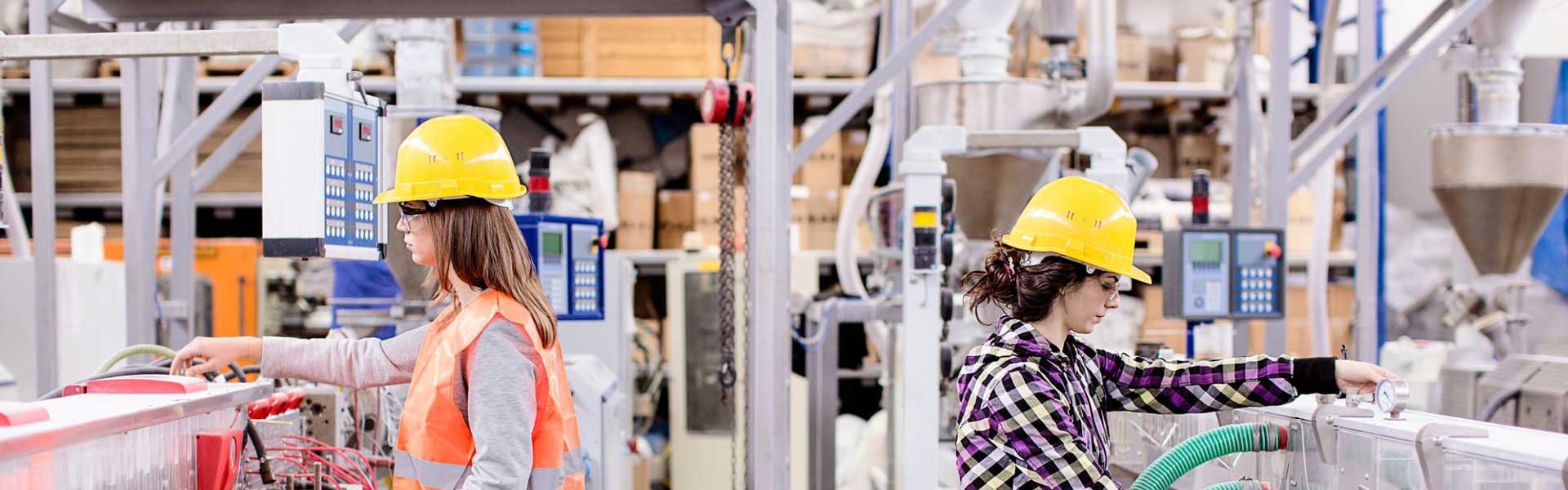
We believe the best way to learn engineering technology is by doing. Throughout the program, you will work on realistic production projects that mirror the exact challenges you will face in the industry. Our curriculum connects applied mathematics and mechanics directly to the manufacturing facility.
You will gain deep, practical experience in:
- Engineering & Product Design: Designing and manufacturing parts, product design, and modeling fluid behavior.
- Automation & Systems Thinking: Advanced materials research, automation, and validating facility capacity.
- Lean Manufacturing & Quality Methods: Implementing 5S and pull systems, performing safety audits, and analyzing quality data.
- Project Leadership: A comprehensive, two-term capstone project designed to showcase your skills to employers.
We are committed to providing a world-class education. The Edmonds AMMET program is actively preparing for its initial ABET ETAC accreditation review, with full accreditation expected in early 2027. We align all of our student outcomes, course assessments, and continuous-improvement practices with rigorous ABET expectations, ensuring your degree carries prestigious industry weight.
After completing our program, you will be a highly competitive graduate prepared for manufacturing positions in various industries.
Program Highlights
We offer a cohort model, where you will network and build connections with classmates.
|
|
|
|
What Does This Degree Look Like?
- Length of Program: Two years for the upper-division AMMET sequence.
- Total Credits: 180 credits total. A student entering with a two-year degree in engineering or engineering technology should expect to have about 90 credits of lower-division requirements completed before starting the program.
- Schedule: Weekly meetings that start at 5 p.m., Saturday morning lecture and lab sessions, and hybrid learning activities support students who are working full time.
Pathway for Working Students
The program schedule is intentionally built around the needs of working adults. Students can continue employment while completing evening meetings, Saturday labs, online preparation, project milestones, and scheduled mentoring. Prior college coursework, transfer coursework, certifications, military records, employer documentation, or verifiable work-based evidence may be reviewed through official college processes for transfer credit, prior learning, substitution, prerequisite satisfaction, or requirement review. Credit is not automatic, and students should work with the AMMET Program Manager to determine the correct pathway.AMMET and ROBAI Collaboration
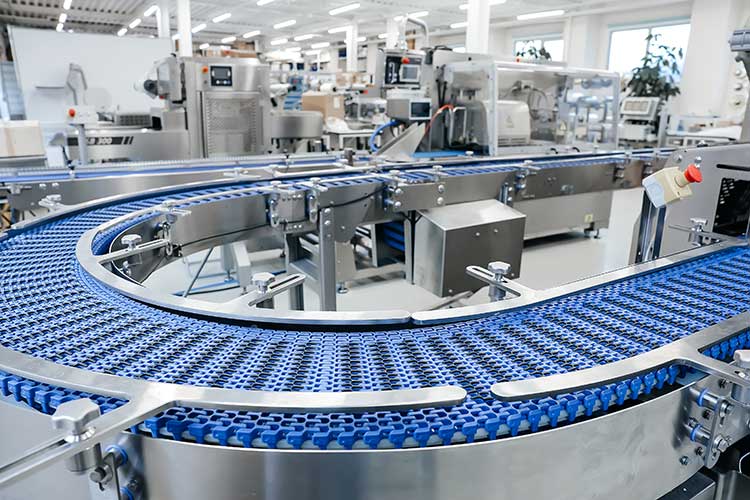 The AMMET program collaborates with Robotics and Artificial Intelligence (ROBAI) to
expose students to integrated production systems and real automation projects involving
AI-based technologies.
The AMMET program collaborates with Robotics and Artificial Intelligence (ROBAI) to
expose students to integrated production systems and real automation projects involving
AI-based technologies.
A joint capstone concept under development is a two-axis hybrid aluminum and CFRP gantry for AI-based visual inspection. AMMET students focus on structural design, composite and aluminum manufacturing, precision mechanical integration, safety, quality assurance, tooling, and testing. ROBAI students focus on motion control, machine vision, AI model development, data acquisition, software application development, and system integration.
This collaboration gives you a practical view of smart manufacturing, where physical production systems, inspection, data, automation, and AI-based decision-making must work together.
What Do I Need Before Applying?
Many of our students have completed an Associate in Applied Science - Transfer (AAS-T), or equivalent degree, in Materials Science.
If you have an Associate of Technical Arts (ATA), or similar, in a similar field of study to the one listed above, we encourage you to consult with the AMMET Program Manager to discuss whether additional courses are needed before applying.