Fall 2026: Sports and Politics (POLS 255)
Instructor: Sebastian Mayer
Class Number: 22811
Dates: 09/21/2026–12/11/2026
Modality: Online Asynchronous, no scheduled meeting times
Credits: 5
Notes: Fulfills Social Sciences Distribution. Meets Specified Elective.
 What this class is all about
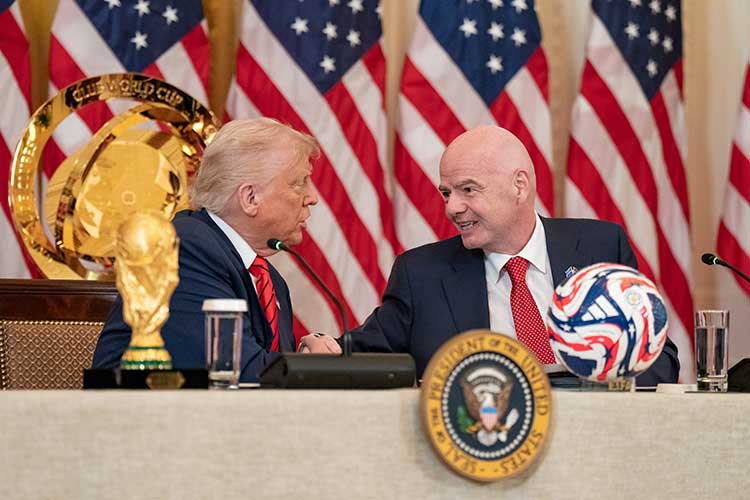
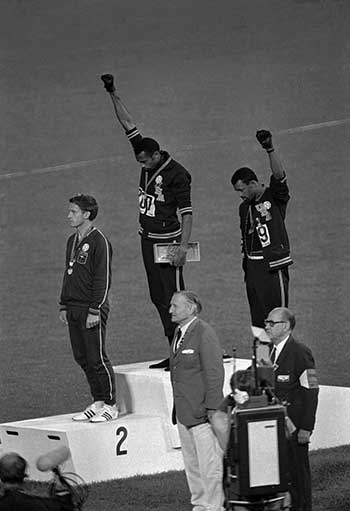
When athletes use their public platforms to take a political stand, the backlash is usually swift: "shut up and dribble" or "stick to sports." But can the stadium really be separated from the political arena? From Colin Kaepernick's sideline protest to Megan Rapinoe's fight for equal pay, to the political debates surrounding the World Cup and the Olympics, the playing field has always been a battleground for society's values.
This course traces how athletic spaces have mirrored and shaped political movements historically, then turns to the political fallout of the 2026 FIFA World Cup hosted in North America and the shift toward NIL deals and revenue sharing in college athletics. No sports fandom required. If you are interested in power and agency, social movements, elections and public policy, or simply why an athlete would get involved in politics, this course treats sports as a lens for understanding the political world.